The clocks go back on Sunday. This weekend is one of the last with decent daylight after lunch, and it is the right time for a roof maintenance checklist. You do not need a ladder. You need twenty minutes, a pair of binoculars (or your phone's zoom), a torch and a notepad. A slipped tile spotted in October is a small repair. Left until February, it is a stained ceiling, wet insulation and a bigger bill.
We're Dan and Craig of Wilson & Cole Developments, and these are the checks we would do on our own houses.
Why October is the month to look up
The Met Office starts each storm-naming season in September because that is when low-pressure systems become more likely. Its 2026/27 storm names start with Austen. At the same time, leaves are coming down and filling gutters and valleys. The Met Office's WeatherReady advice includes checking your roof and gutters before heavy rain.
After the first big storm, roofers across Bristol get the same calls in the same week. Spot a problem now and it gets fixed on your timetable.
Safety first: do not go on the roof. Do not lean a ladder against the gutter to "just have a look". Everything below can be done from the ground, an upstairs window or the loft.
Your roof maintenance checklist from the ground
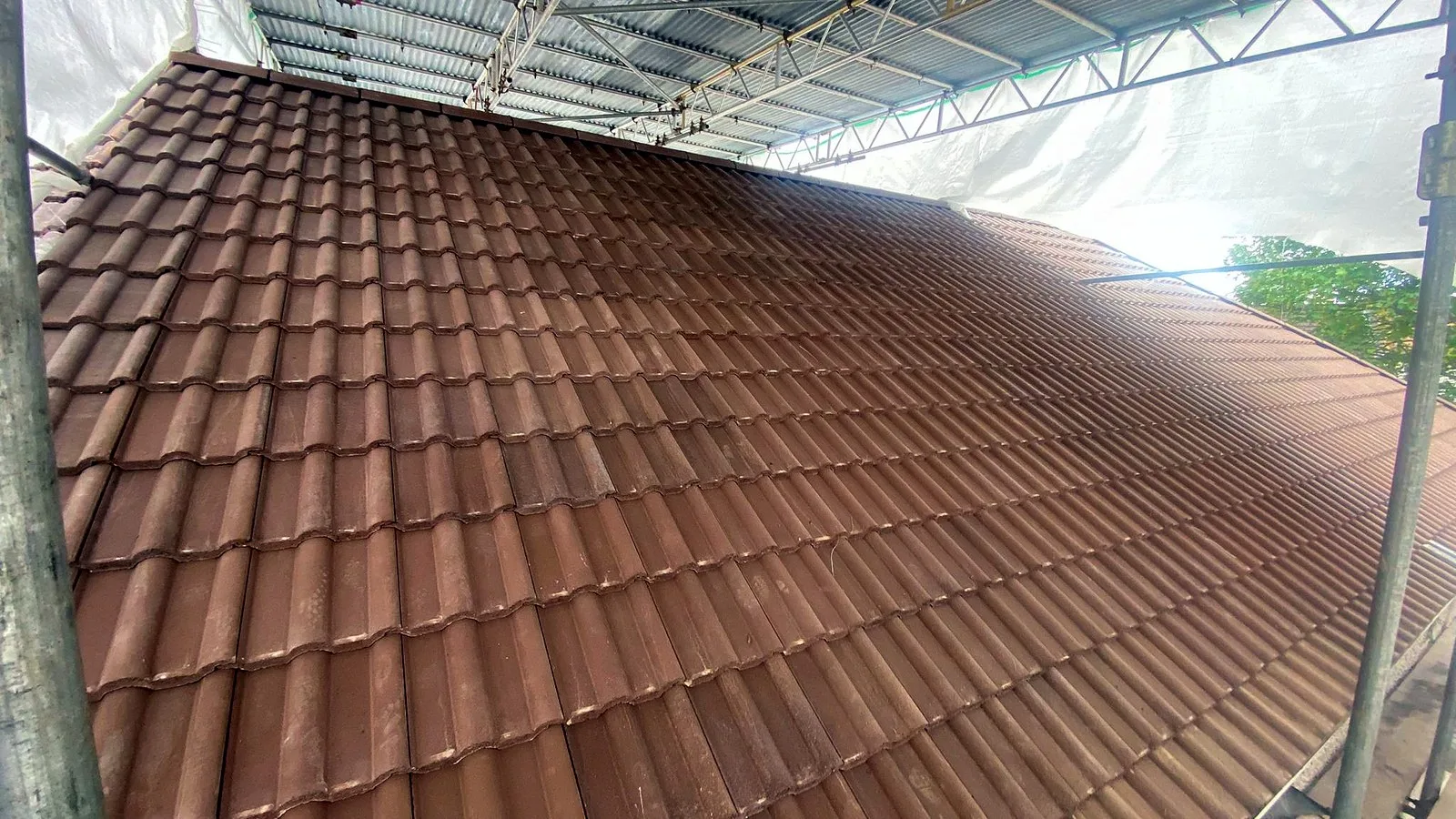
Stand in the garden, then across the street. Look at each slope in turn with binoculars.
| What to look for | What it can mean |
|---|---|
| A tile or slate out of line, a gap, or one hanging lower than its neighbours | Slipped or broken, rain can get to the felt and timbers |
| Cracked or missing mortar under the ridge and hip tiles | Ridge tiles can loosen and blow off in high winds |
| Leaves, moss or debris sitting in a valley where two slopes meet | Water backs up and overflows under the tiles |
| Lifted, split or missing lead flashing at the chimney, walls or rooflights | The most common place for a leak to start |
| A leaning stack, cracked pots or crumbling mortar on the chimney | A safety issue as well as a leak risk |
| Rotten, sagging or gapped fascias and soffits | Water getting behind the gutter, or a way in for birds |
| Thick moss on the tiles | Holds water and blocks drainage |
Newer roofs often use dry-fixed ridges with clips instead of mortar. They still move. Look for any ridge tile that sits proud of the line.
Take photos as you go. A clear zoomed picture often tells us whether something is urgent.
From the loft: daylight, damp and droppings
Go up on a dry day with a torch, and again after heavy rain if you can. Step only on the joists or boarded areas.
- Daylight. Pinpricks of light through the tiles on an older roof without felt are common. A clear patch of sky is not.
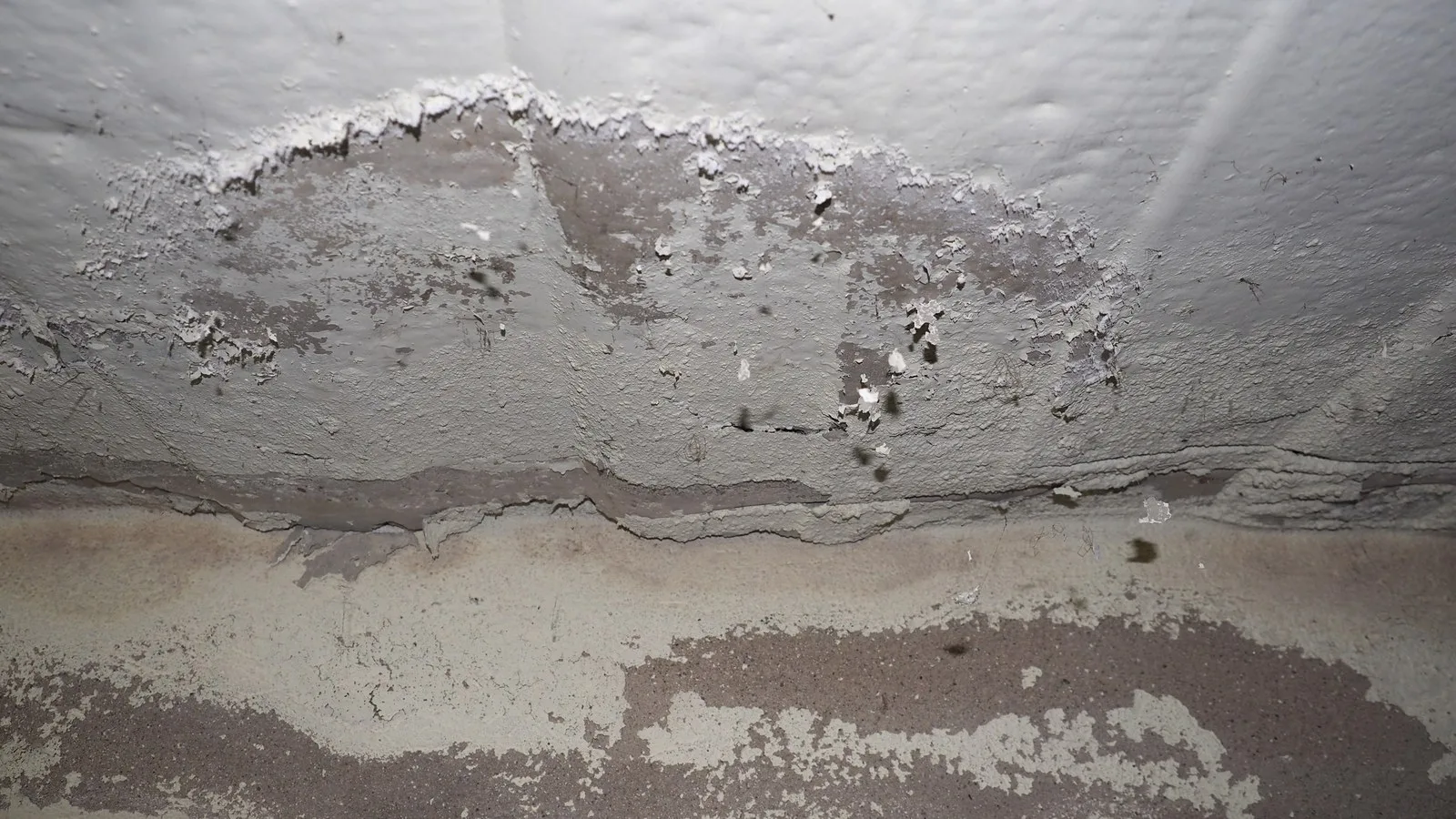
- Damp. Dark stains on the rafters or the underside of the felt, wet insulation, or a tide mark around the chimney breast. A leak is usually local, below the fault. Condensation shows as droplets spread across the underside of the roof, often on cold mornings, and points to a ventilation problem instead.
- Droppings and nests. Birds, mice and wasps get in through gaps at the eaves and fascias.
- Insulation. Check it is not pushed hard into the eaves, which blocks the airflow that keeps a roof dry.
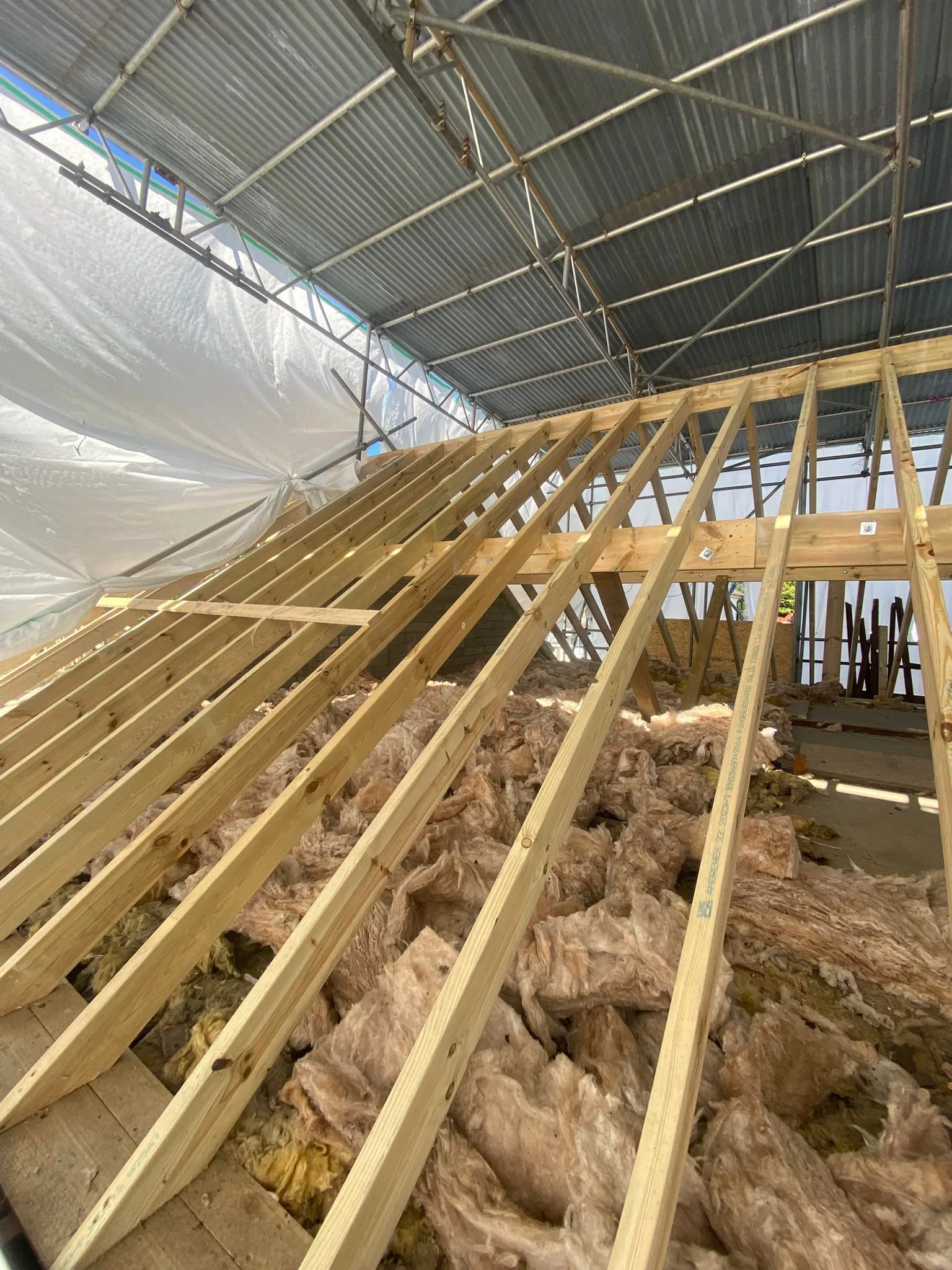
The bones of a roof: new rafters and a purlin on our Sherwell Road project, before the tiles went on If you find damp in the loft and on the walls below, our guide to why old Bristol houses get damp in autumn helps you tell roof leaks from other causes.
Gutters and downpipes
Blocked gutters are behind a lot of the damp walls we see. The water overflows down the face of the house, soaks the brick or render, and shows up inside weeks later.
The best time to check is during heavy rain. Look for:
- water spilling over the front edge or dripping from joints
- water running down the wall behind the gutter
- a downpipe that gurgles, or a gully at the bottom that overflows
- green staining or moss on the wall below a joint
Clear them once the trees are bare, and again in spring if you live under trees. For a single-storey extension, a stepladder on level ground is usually fine. Follow RoSPA's ladder advice: check the ladder first, set it at the right angle, keep three points of contact, never overreach, and have someone with you. Anything at two storeys needs proper access equipment, so pay someone who has it.
Flat roofs and extensions
Most Bristol kitchen extensions have a flat roof, in felt, rubber (EPDM) or fibreglass (GRP). Look from an upstairs window after rain:
- water still pooling a day or two later
- blisters, splits or cracks, especially at the edges and corners
- upstands lifting where the roof meets the house wall
- rooflight seals that have perished or gaps around the kerb
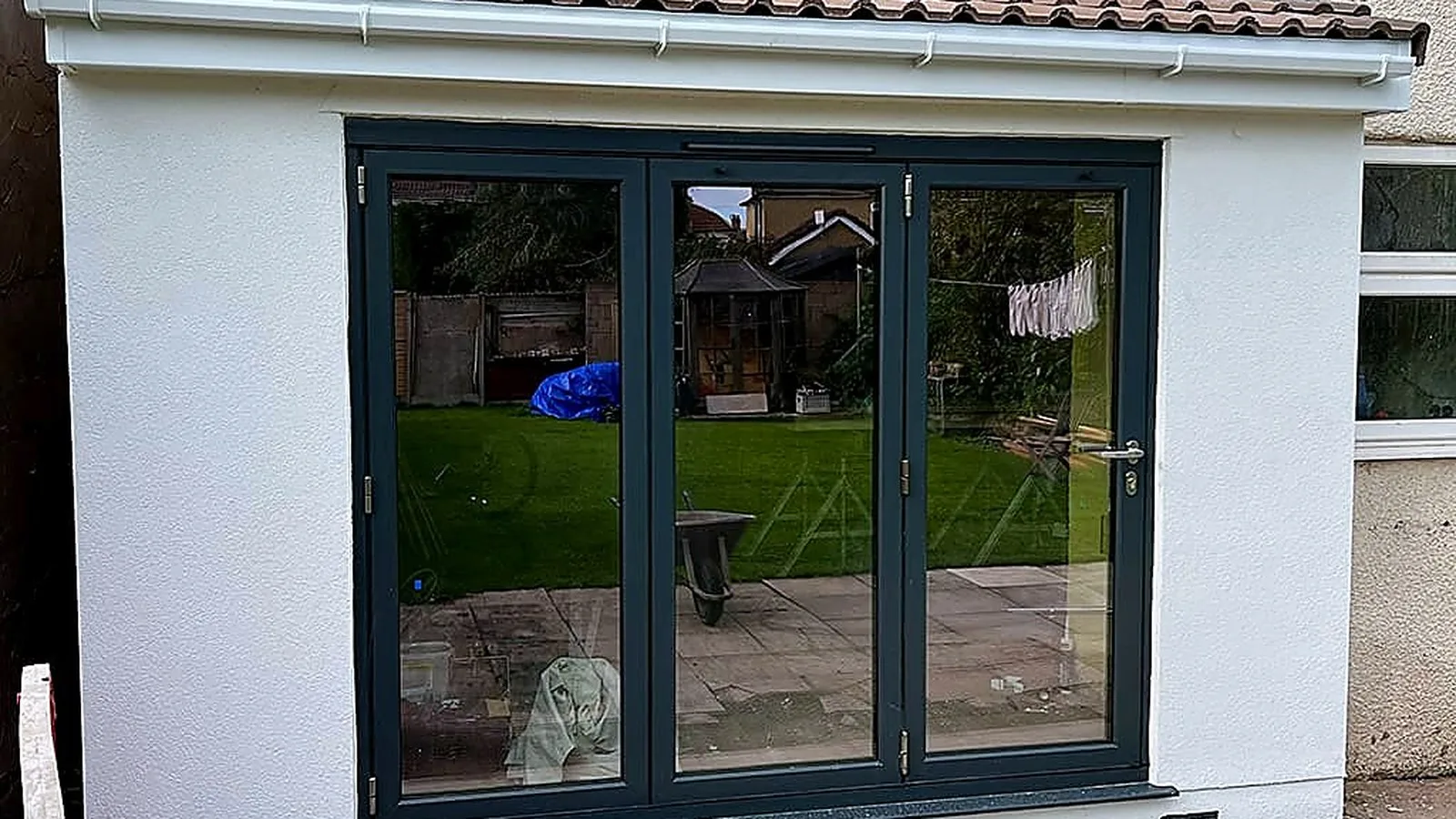
Rooflights deserve a close look. On our Fairview Road kitchen extension in Kingswood, the new flat roof carries two rooflights, and the junction where each meets the roof is what keeps the kitchen dry. On an older roof, it is the first place we'd look.
What to do after a storm
- Stay safe. Keep everyone away from fallen tiles and debris, and do not go on the roof.
- Photograph it. From the ground and from inside, with the date.
- Limit the damage inside. Buckets under drips, move belongings, and do not switch on lights below water coming through a ceiling.
- If you plan to claim, call your insurer first. Follow their process.
- Get it made safe, then repaired.
For a single slipped tile, a local roofer is the quickest fix. Where water has got into ceilings, timbers or insulation, or a roof needs rebuilding, that is work we do. On insurance work we are the contractor: we work alongside your loss assessor or the insurer's loss adjuster and provide detailed, itemised quotes laid out to suit a claim. Our reinstatement works page explains how, and the BS9 attic leak project and its write-up show a real one.
On a roof job like this, scaffold goes up first and the loft and rooms below are protected before any tiles come off. We cut the roof on our Sherwell Road new build on site, under a temporary scaffold roof, and our Sherwell Road write-up tells the whole build. We're TrustMark registered (licence 4264445) and Federation of Master Builders members.
Frequently asked questions
How often should I check my roof?
Twice a year is a good habit: in autumn before the storms and in spring after them. Add a quick look after any named storm. Most checks can be done from the ground with binoculars and from the loft with a torch.
Is it safe to go on my roof to check it?
No. Pitched roofs are steep, tiles break underfoot and moss makes them slippery. Use binoculars from the garden, the street or an upstairs window, and check from inside the loft. Anything closer is work for someone with scaffold.
How can I tell if my roof is leaking?
Look in the loft for dark stains on the rafters or felt, wet insulation, or a tide mark around the chimney. A leak is usually local, below the fault. Inside the house, watch for brown stains on ceilings, often near a chimney breast or below a valley.
How often should gutters be cleared?
At least once a year, after the leaves have fallen. If your house is under trees, clear them again in spring. Check them in heavy rain: water spilling over the edge or running down the wall means a blockage or a failed joint.
What should I do if a storm damages my roof?
Stay safe and keep away from fallen debris. Photograph the damage, put buckets under any drips and move belongings. If you plan to claim, call your insurer first. Then get the roof made safe and repaired by someone working from scaffold, not a ladder.
Spotted something you are not sure about? Send us a photo or call Dan or Craig on 0117 251 0365, and we'll tell you honestly whether it needs us. Our details are on the contact page.