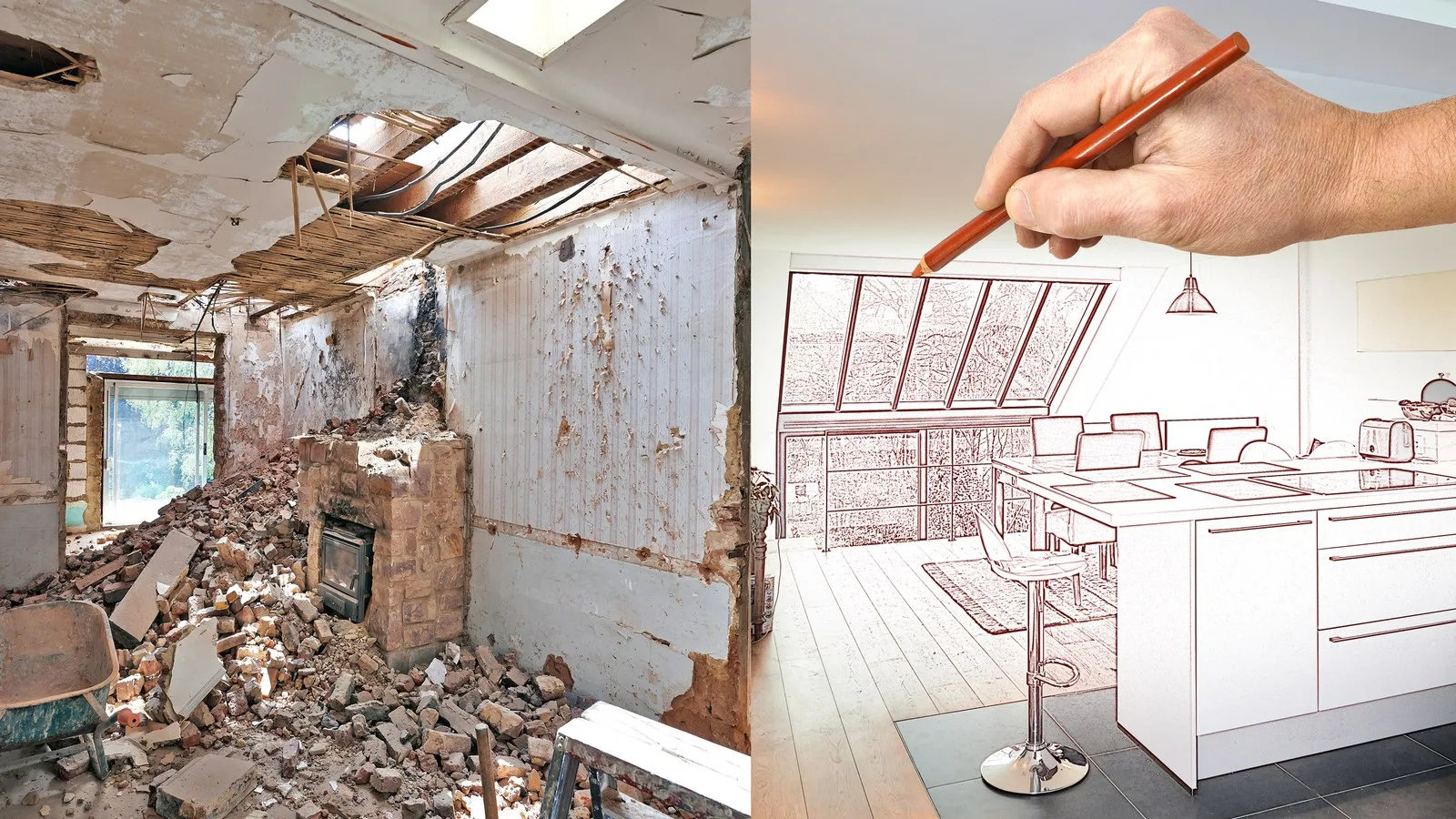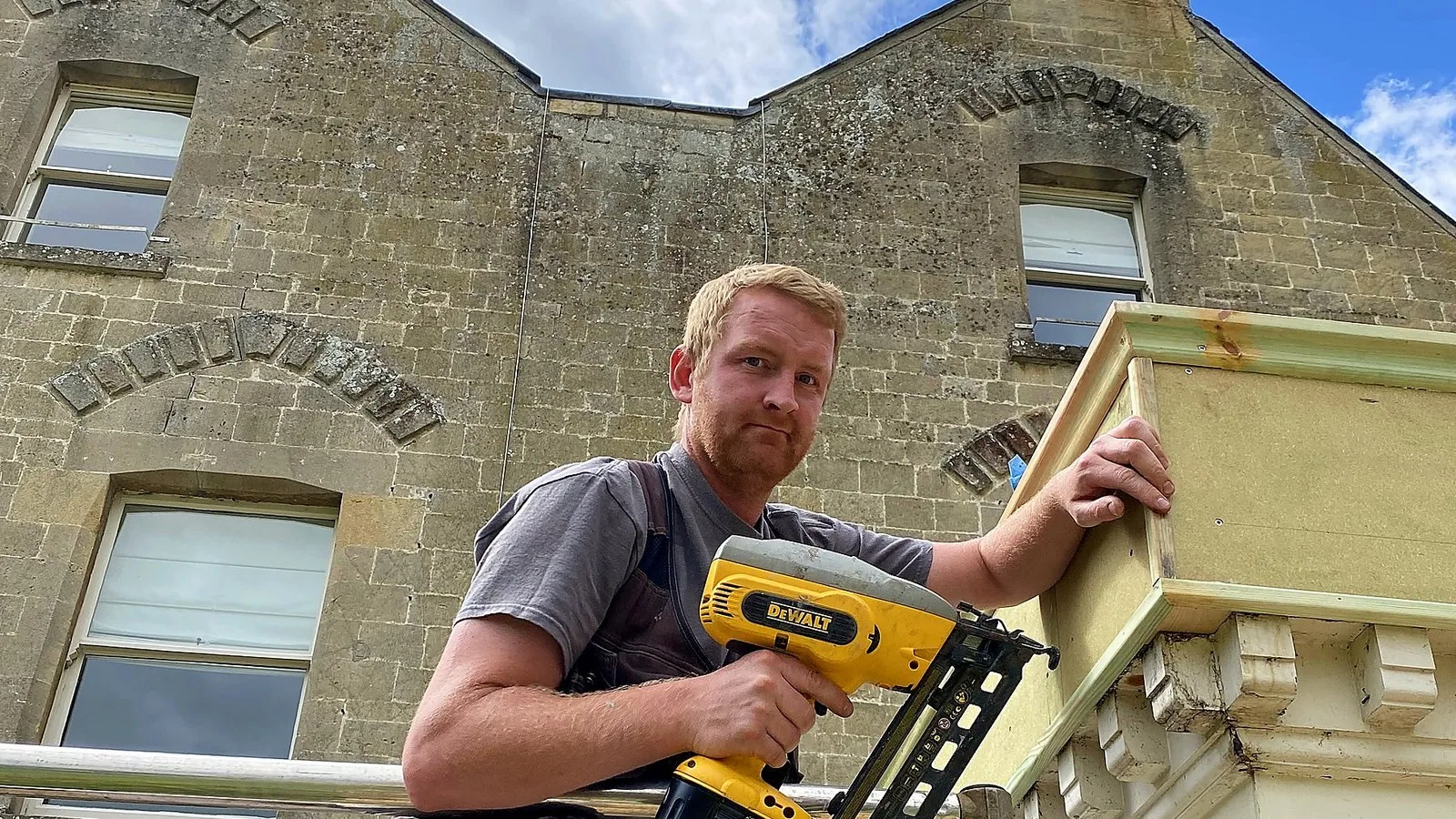

Dan and Craig (Daniel Webster and Craig Cook) met at college studying carpentry nearly twenty years ago. Each ran his own firm before they joined forces as Wilson & Cole Developments in 2021, named after their grandfathers, who were both builders. The way we price work comes from that background: show the customer everything. This is our builders quote breakdown, explained from the inside: what goes in, why, and how to use it to compare us with anyone else.
Why we never send a one-line price
A single figure tells you almost nothing. It doesn't say whether the skip is included, how much tiling is allowed for, or who pays the building control fee. Two quotes £8,000 apart can be for different jobs without either builder saying so.
Our quotes are detailed and itemised. Every stage of the work has its own lines, so you can see where the money goes, ask about any of it, and take out or add items before anything is agreed. It takes longer to write. It saves arguments later, and it's part of what we mean when we talk about giving builders a better name.
What goes into the quote, line by line
It starts with a site visit. Dan or Craig walks the house with you, measures up and takes photos. Then we price from the drawings, the structural engineer's calculations if there are any, and what we've seen.
A typical quote is laid out like this:
| Section | What it covers |
|---|---|
| Preliminaries | Site set-up, protection for floors and furniture, welfare, skips, scaffold |
| Groundworks and structure | Digging, foundations, drainage, steels, blockwork, roof |
| First fix | Carpentry, plumbing and electrics before the walls are closed |
| Plastering and screeds | Walls, ceilings, floors |
| Second fix and finishes | Doors, skirting, kitchens, bathrooms, decoration |
| Specialist trades | NICEIC-registered electricians, Gas Safe registered engineers, roofers |
| Allowances | Provisional sums and prime cost sums (explained below) |
| Exclusions | What isn't in the price, written down |
Each line covers labour, materials and any plant. Like every builder, we add a mark-up to the materials we buy, and it sits inside the line prices.
The exclusions matter as much as the inclusions. Things you normally pay for direct appear there, such as planning and building control fees, a party wall surveyor and anything you're buying yourself.
Provisional sums and prime cost sums in plain English
Some things can't be priced exactly before work starts. A quote handles those with allowances, and there are two kinds. Designing Buildings explains both.
- A provisional sum is an allowance for work that isn't defined enough to price yet. The classic example is ground: until we've dug, nobody knows exactly what's down there. When the work is done, the allowance is replaced by the value of what was actually needed, so it can go up or down.
- A prime cost sum (often written PC sum) is an allowance for an item you'll choose later, such as tiles, a kitchen or sanitaryware. If you pick something dearer than the allowance, the difference is added. Pick something that costs less and the difference comes off.
Allowances should be few and realistic. A quote stuffed with low allowances looks attractive on paper and then grows. If you see one, ask the builder what each allowance is based on.
What changes the price (and the rule we keep)
Citizens Advice draws a clear line between a quote and an estimate. A quote is a promise to do the work at an agreed price. An estimate is a best guess. Under a quote, a trader can't charge more unless there's a good reason, such as extra work you were told about and agreed to pay for.
Our rule is short: the price only changes if you agree the change first.
In practice, prices change for three reasons:
- You change something. A bigger window, a different floor, an extra socket. We price it in writing and you say yes or no before we do it.
- Something is hidden. A rotten joist under the floorboards, an old drain where the plans showed nothing. We stop, show you, price the fix and let you decide.
- An allowance settles. A provisional or prime cost sum is replaced by the real figure, as described above.
That way, nothing reaches an invoice that you haven't already seen and agreed.
How payment works: valuations of work done
We invoice against valuations of work carried out. At agreed points we measure what has been built against the lines in the quote, and the invoice covers that work. You can walk the site and see what you're paying for.
That keeps the money in step with the building. It also means any agreed changes appear on the next valuation as separate lines, so the paperwork always matches what happened. Our how we work page sets out the whole process from first visit to handover.
Comparing three quotes properly
Getting three quotes is good advice. Comparing them fairly is harder. Lay them side by side and check:
- Same drawings, same spec. If one builder priced a different window or floor, the totals aren't comparable.
- The allowances. Add up the provisional and prime cost sums in each. A low total often means low allowances.
- The exclusions. Look for what each quote leaves out: skips, scaffold, making good, decoration, fees.
- VAT. Is it shown, and on every line?
- How changes are handled. Ask each builder what happens when something unexpected turns up.
- Proof. Accreditations and reviews you can check.
On that last point: we're TrustMark registered (licence 4264445), Federation of Master Builders members, and rated 5.0 on Google from 28 reviews. You can read them on our reviews page, and our accreditations are on our guarantee and accreditations page. Our guide to choosing a builder in Bristol covers the questions to ask at the first meeting.
If you want a feel for figures before we visit, our kitchen extension cost guide and loft conversion cost page show the numbers we publish.
Frequently asked questions
What should a builder's quote include?
A breakdown by stage of the work, covering labour, materials and plant, plus preliminaries such as skips and scaffold, any provisional or prime cost sums, a written list of exclusions, and VAT. If a quote is a single figure, ask for the breakdown before comparing it.
What is the difference between a quote and an estimate?
A quote is a promise to do the work at an agreed price. An estimate is the builder's best guess and can change. Ours are detailed, itemised quotes, and the price only changes if you agree the change first.
What is a provisional sum in a building quote?
An allowance for work that can't be priced exactly yet, such as groundworks before anyone has dug. Once the work is done, the allowance is replaced by the value of what was actually needed, which can be more or less.
Do builders mark up materials?
Yes. Builders, including us, add a mark-up to the materials they buy, and it sits inside the line prices. Compare quotes on the full line price for the same specification.
How do Wilson & Cole invoice during a build?
Against valuations of work carried out. We measure what has been built against the quote lines and invoice for that work, with any agreed changes shown as separate lines.
Ask us for a quote and judge the breakdown for yourself. Free, no-obligation quote. No pressure: tell us about your project.