Most people start a home energy retrofit by asking about heat pumps or solar panels. We'd start somewhere less exciting: the floor you're standing on, the loft above you and the draughts round the back door. A Bristol house that leaks heat will leak it whatever is heating it. Fix the fabric first, then choose the heating, and do it in an order that doesn't mean ripping out this year's work next year.
We're Dan and Craig (Daniel Webster and Craig Cook) of Wilson & Cole Developments. This is how our 2030 Ready route works for people retrofitting the house they live in.
Why fabric first
Fabric means the parts of the house that hold heat in: roof, walls, floors, windows and doors, and how airtight the whole thing is. Improve those first and the house needs less heat, so any new heating system can be smaller and cost less to run.
Order matters for another reason. The Energy Saving Trust's solid wall insulation advice says damp and exterior repairs must be fixed before any wall insulation, and that insulating can reduce airflow, so ventilation needs assessing. Insulate over a damp wall and you can make the damp worse. That's why our retrofit route starts with the building's condition, not a product. If your house already has damp, our piece on damp in old Bristol houses is the place to start.
The three stages of a home energy retrofit
| Stage | What happens | What you get |
|---|---|---|
| 1. Report | A survey of the house: construction, condition, where the heat goes | A ranked works list, with costs |
| 2. Works | Fabric first, then ventilation, then heating and renewables | A detailed, itemised quote; one programme |
| 3. Certification | Post-works paperwork | A new EPC, plus building control and installer certificates where the work needs them |
We act as main contractor for the works. Heat pumps and solar panels go in through accredited, MCS-certified installers, and we programme them around the building work so you deal with one team. Our energy audit and retrofit service explains the route in full, and the EPC readiness checklist is a quick first look at your own house.
We won't promise you an EPC band before the report. Nobody honest can. What the report gives you is which measures move the rating most for the money, in the right order. The EPC itself is changing: reformed certificates are now expected in the second half of 2027, so it's worth fixing the house, not chasing a number.
What can be done while you live there
Most fabric work can be done with you in the house, room by room.
- Loft insulation top-up. A day or two. Minimal mess, as long as the loft is clear.
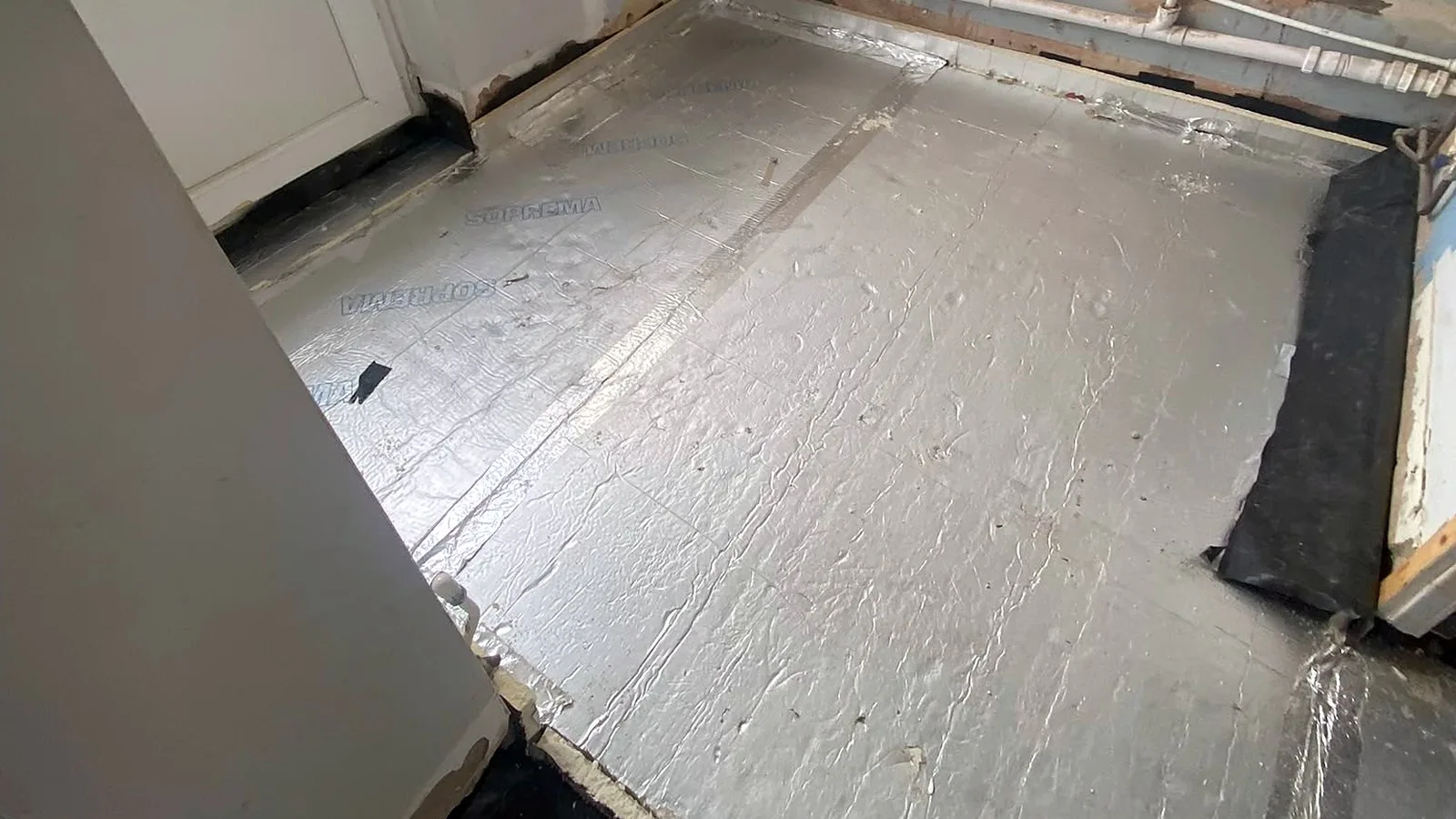
- Floor insulation. Suspended timber floors are insulated from below with the boards lifted, one room at a time. The Energy Saving Trust puts the typical saving at around £55 a year in Great Britain, plus fewer draughts.
- Internal wall insulation. Room by room. You lose a little floor space, and radiators, sockets and skirting come off and go back.
- External wall insulation. Done from scaffold outside, so less disruption indoors, but it changes how the house looks.
- Windows and doors. Replacement windows to 1.4 W/m²K, supplied through our partner Associated Windows.
- Airtightness and ventilation. Sealing gaps, then making sure there's controlled fresh air: extract fans, trickle vents, or a whole-house system.
On a ground-floor rebuild after subsidence, we dug out the old floors, built a new block-and-beam floor, laid a membrane and insulated it to modern standards before the screed went down. The subsidence repairs write-up shows the whole 12 weeks. Most retrofits are lighter than that, but the principle is the same: when a floor is up, insulate it.
On disruption: on a job like this we sheet off the rooms we're working in, keep the rest of the house usable and clean down at the end of each day. Site hours are 8am to 5pm, Monday to Friday.
Grants and VAT: what is real right now
- 0% VAT. Installing qualifying energy-saving materials, including insulation and heat pumps, is zero-rated until 31 March 2027 under VAT Notice 708/6. From 1 April 2027 it goes to 5%. Ask us whether your project qualifies.
- Boiler Upgrade Scheme. Ofgem's scheme gives £7,500 off an air-to-water or ground source heat pump, £2,500 off an air-to-air heat pump, and £9,000 for eligible off-gas-grid homes until 31 March 2027. The MCS-certified installer applies for you.
- Warm Homes: Local Grant. For homes in England with an EPC of D to G, where household income is usually £36,000 or less, or you live in an eligible postcode area or someone in the household gets certain benefits. Your local council arranges the survey and pays for the agreed work. Check eligibility on GOV.UK before you pay anyone, us included. If you qualify, the council's route is the right one.
Combining retrofit with an extension or loft
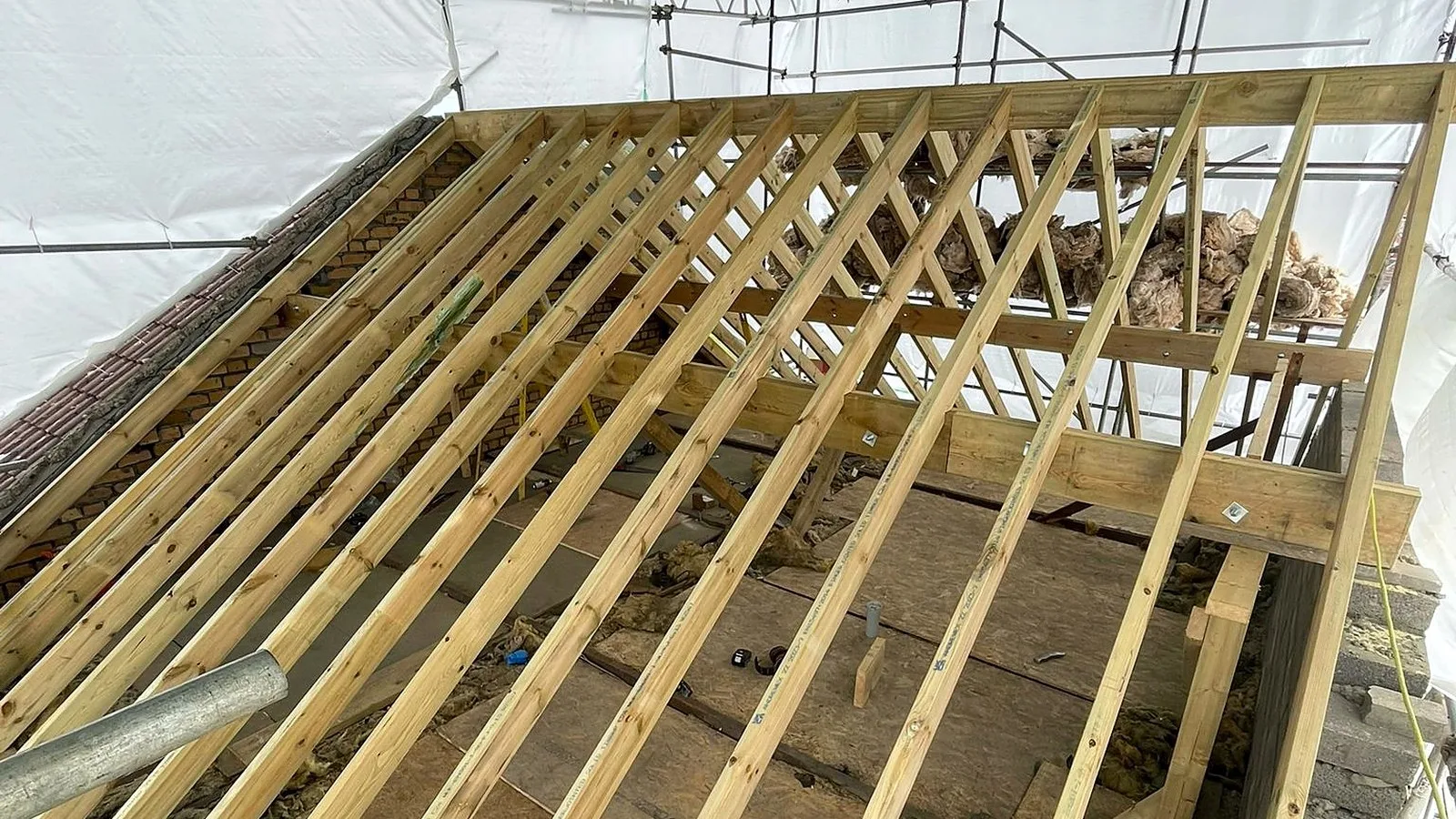
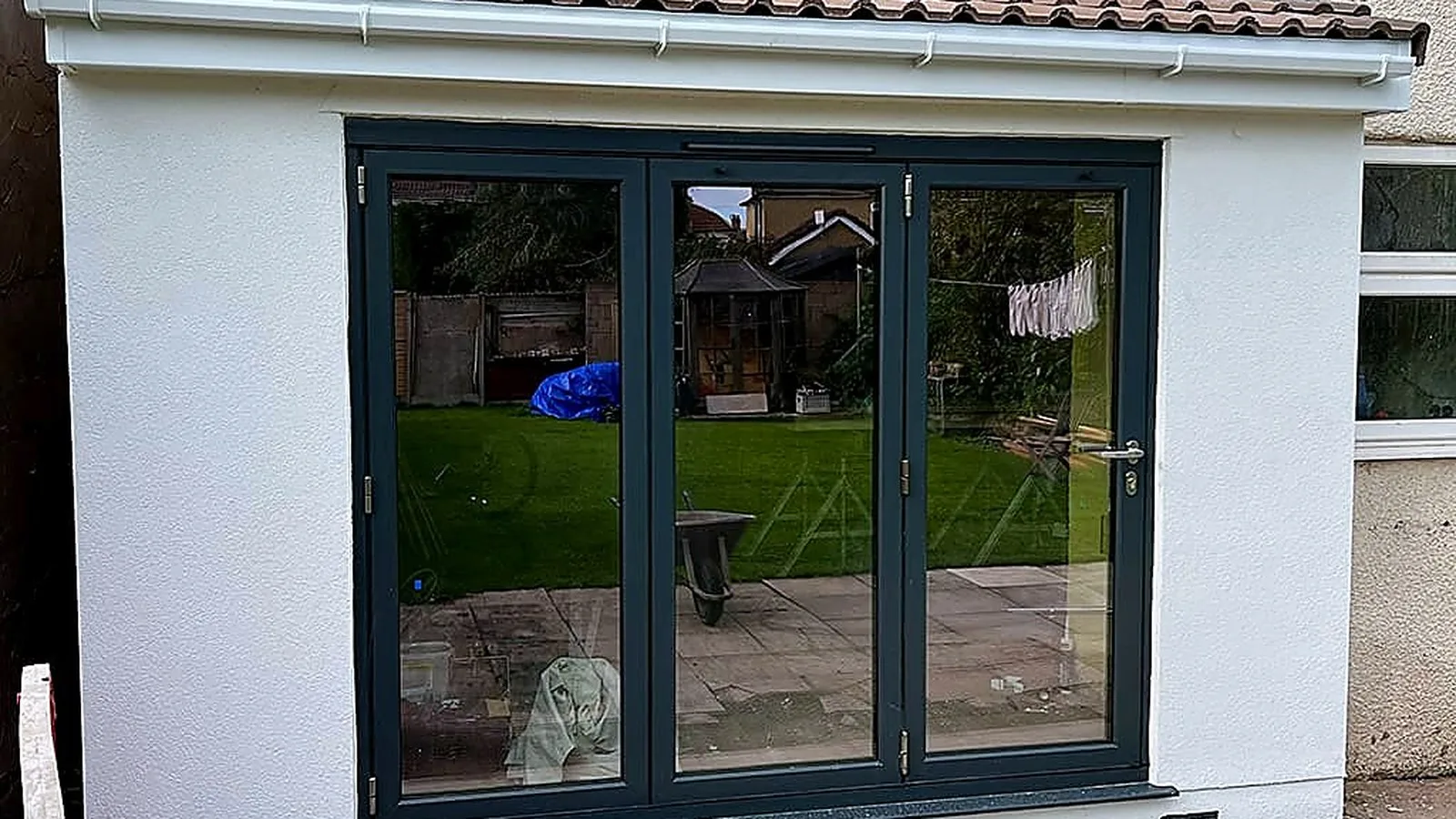
The best time to insulate is when the building is already open. A loft conversion insulates the new roof to 0.15 W/m²K, which makes it one of the biggest insulation upgrades a house will get. Our guide to what building control checks on a loft conversion covers the rules. An extension brings new walls and floors at 0.18 W/m²K, and while the scaffold is up, the Energy Saving Trust points out that external wall insulation can go on at the same time. If you're weighing up moving against improving, our improve-don't-move guide helps.
We're TrustMark registered (licence 4264445), members of the Federation of Master Builders, and rated 5.0 on Google from 28 reviews. More on our approach at our energy pages.
Frequently asked questions
What is a fabric-first retrofit?
Improving the parts of the house that hold heat in, meaning roof, walls, floors, windows and airtightness, before changing the heating. The house then needs less heat, so any heat pump can be smaller and cost less to run.
Can I stay in my house during an energy retrofit?
Usually, yes. Loft, floor and internal wall insulation are done room by room, and external wall insulation from scaffold outside. On a job like this we sheet off the rooms we're working in and clean down at the end of each day.
Will a retrofit get my house to EPC C?
We won't promise a band before the report. The report shows which measures improve the rating most for the money. How far it moves depends on the building, and reformed EPCs are expected in the second half of 2027.
Who can get the Warm Homes: Local Grant?
Homes in England with an EPC of D to G, where household income is usually £36,000 or less, or in an eligible postcode area, or where someone gets certain benefits. Your council arranges the survey and pays for the agreed work. Check on GOV.UK first.
Is there VAT on insulation and heat pumps?
Not until 31 March 2027. Installing qualifying energy-saving materials in a home is zero-rated until then, and 5% from 1 April 2027. Materials bought on their own are standard-rated.
Tell us about your project. We'll call you back within one working day and talk you through where your house is losing heat. Get in touch here.