The sale is moving, the searches are back, and the buyer's solicitor sends a list. Near the top: the building regulations completion certificate for the extension, the loft or the knocked-through kitchen. You can't find it, or you're not sure one was ever issued. It's a common problem and there's usually a way through. Which way depends on which of three situations you're in.
What the certificate proves, and what it doesn't
A completion certificate is issued by the building control body when it's satisfied that work it inspected meets the building regulations. If your council did the inspections, it's a completion certificate. If a private registered building control approver did them, you'll have a final certificate from them instead.
GOV.UK is blunt about why it matters: without approval, you won't have the certificates of compliance you may need when you sell.
What it doesn't prove is planning permission. That's a separate system. In England, the time limit for planning enforcement is now 10 years for building work substantially completed on or after 25 April 2024. Before that, the limit for most building work was four years. If your solicitor raises planning, that's a different conversation.
Some work never gets a council certificate at all. Electrics, new windows and boilers are often done by firms registered with a competent person scheme, such as NICEIC for electricians, FENSA for windows or Gas Safe for gas work. GOV.UK says the installer gives you a certificate within 8 weeks, and the work shows up in solicitors' searches. If those certificates are lost, the scheme or installer can usually help.
Situation 1: it was issued and you've lost it
The easy one. Ask whoever issued it for a copy:
- Your council's building control team, if the council did the inspections. Many councils charge a small admin fee for copies, and some let you search their building control records online.
- The private approver, if one was used. Their name will be on any paperwork from the build.
Have the address and a rough date for the work ready. If you're not sure who inspected it, the builder or the architect from the time may know.
Situation 2: it was inspected but never signed off
This happens more than you'd think. The work was inspected stage by stage, but nobody asked for the final inspection, so no certificate was issued. The builder finished, the family moved back in, and the last step was forgotten.
The fix is usually to contact building control and book the final inspection. The inspector may ask for things that should have been handed over at the time: the electrician's certificate, a gas safety certificate, or evidence that fire doors and smoke alarms are in. If something has changed since, or something wasn't finished, it may need putting right first.
Situation 3: no application at all (regularisation)
If building control was never told about the work, the route is regularisation: a retrospective application. GOV.UK's how to apply page sets out the rules:
- You apply to your local authority building control. Private approvers can't do it.
- Only work carried out after 11 November 1985 can be approved this way.
- You might need to make alterations before the council agrees the work complies and issues a regularisation certificate.
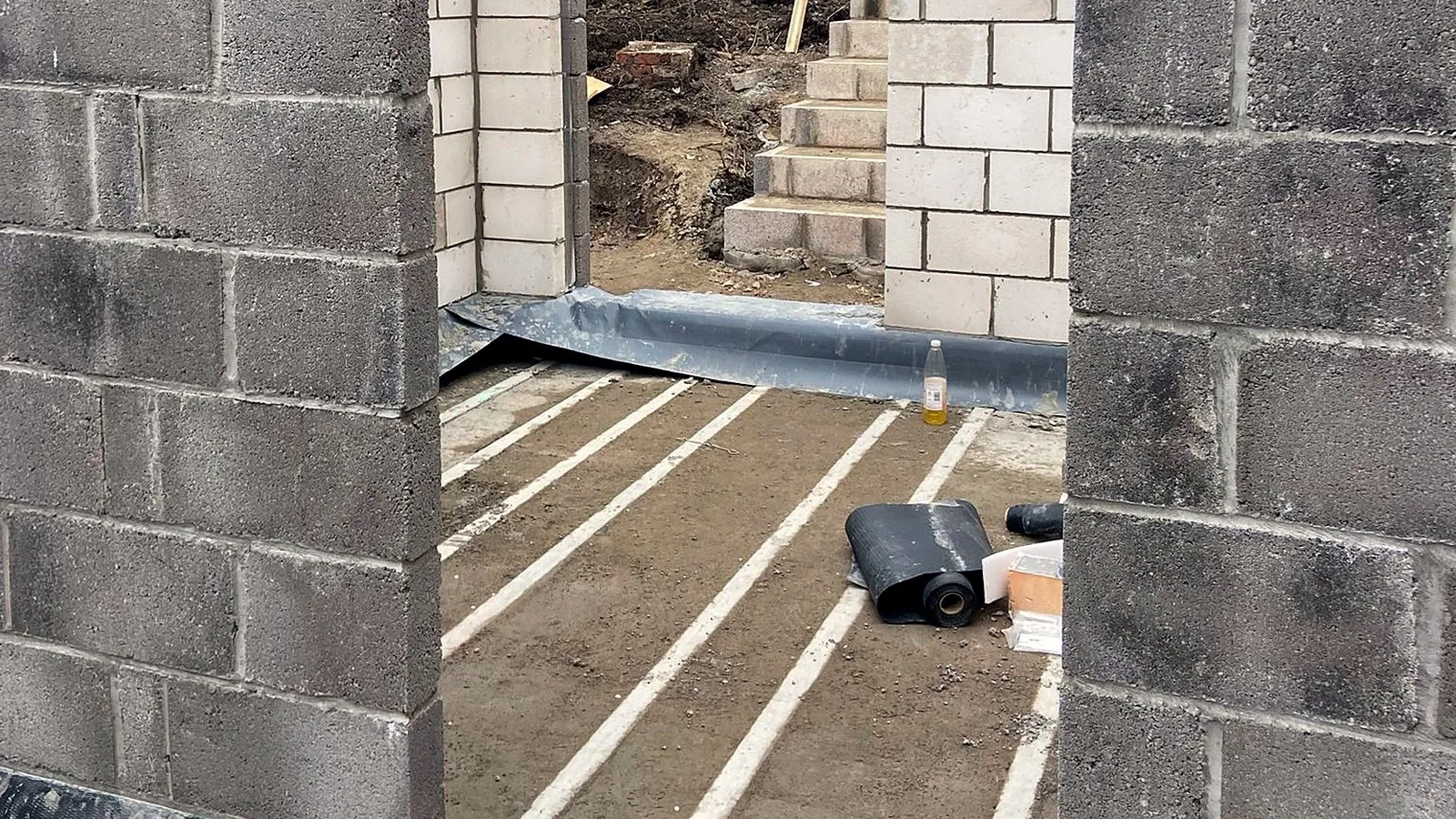
Expect some opening up. The inspector can't see foundations, steels or insulation that are buried, so they may ask for a trial hole beside the footing, a section of ceiling taken down to see a beam, or plasterboard lifted to check insulation. Fees are set by each council. If the council refuses a regularisation certificate, GOV.UK says you can appeal to the Building Safety Regulator.
It's worth knowing the council's powers too. Under section 36 of the Building Act 1984, a building control authority can require non-compliant work to be removed or altered. That notice can now be given up to 10 years after the work was completed.
Indemnity insurance: what to ask your solicitor
You'll probably hear about indemnity insurance at this point. It's a policy, usually arranged through the conveyancing, that covers certain losses if the council later takes enforcement action over the missing approval. It doesn't check the work or fix anything.
The detail that catches people out is timing. Many policies aren't available, or may not respond, once the council has already been approached about the work. The HomeOwners Alliance warns about exactly this. That means the order in which you do things matters.
We're builders, not lawyers, so we won't tell you which route to take. Before you contact the council about work that was never signed off, talk to your solicitor. Questions worth asking:
- Is indemnity insurance an option here, and what would it cover?
- Would contacting building control affect that?
- Would the buyer and their lender accept it?
- Is regularisation the better answer for this sale?
How we keep it from happening on our jobs
Missing certificates usually come from loose ends at the end of a job. Here's how we close them:
- You normally make the building control application. We liaise with the inspector, book every inspection, and can make the application for you for a small admin fee.
- We book the final inspection as part of finishing, not as an afterthought.
- You get the paperwork a future buyer will want: the electrician's certificate from the NICEIC-registered electricians we use, gas certificates from Gas Safe registered engineers, and any build-over consent.
Keep it all in one folder with the completion certificate. Our guides to building regs for extensions, loft conversions and garage conversions show the inspections in order, and the loft conversion fire regulations piece covers the fire paperwork. There's more on how we run a job on our how we work page.
Frequently asked questions
How do I get a copy of my building regulations completion certificate?
Ask whoever did the inspections. If it was your council, contact its building control team; many charge a small admin fee for copies. If a private approver did the work, ask them for the final certificate.
What is a regularisation certificate?
It's retrospective building regulations approval for work done without an application. You apply to your local authority, not a private approver, and only work carried out after 11 November 1985 qualifies. You may need to open up or alter parts of the work first.
Can I sell a house without a completion certificate?
Often, but the buyer's solicitor will ask about it and it can slow the sale. The options include finding a copy, finishing the sign-off, regularisation, or indemnity insurance. Your solicitor is the right person to advise which fits your sale.
Does contacting the council affect indemnity insurance?
It can. Many indemnity policies aren't available, or may not respond, once the council has been approached about the work. Ask your solicitor before you contact building control about work that was never signed off.
How long can the council take action over building regs work?
Under section 36 of the Building Act 1984, a building control authority can require non-compliant work to be removed or altered for up to 10 years after it was completed.
Planning a project and want the paperwork right from the start? Tell us about your project. We'll call you back within one working day: get in touch.