
Before a main contractor, facilities manager or managing agent lets a builder on site, they ask for a pack of documents. On most commercial and developer work, that pack decides who gets priced in and who never hears back. A SafeContractor approved builder has already passed the first stage of that check, independently. Our certificate is OC4217. This is what it covers, what it doesn't, and the rest of the paperwork you should expect from any contractor before work starts.
Why pre-qualification decides who gets the job
Under CDM 2015, a commercial client is any person or organisation carrying out a construction project as part of a business. HSE's guidance on commercial client duties is clear that the client must appoint contractors and designers with the skills, knowledge, experience and organisational capability to do the work safely. The client also has to make sure a construction phase plan is in place before construction starts.
Pre-qualification is how a client shows it checked. The old problem was duplication: every buyer sent its own questionnaire.
What a SafeContractor approved builder has already proved
SSIP (Safety Schemes in Procurement) is the umbrella body for health and safety assessment schemes. Its member schemes assess contractors against the SSIP core criteria, which are aligned with PAS 91, the government-endorsed construction pre-qualification document, and set as a threshold standard approved by HSE.
The useful part for a buyer is mutual recognition. Under SSIP's "Deem to Satisfy" agreement, member schemes accept a current, valid approval from any other member, as long as it shows correctly on the SSIP Portal. SSIP's guidance for clients frames it as stage one: the scheme covers the core health and safety assessment, so your own procurement can focus on stage two, the experience, people and resources for this particular project.
SafeContractor is one of those schemes, and describes itself as the largest SSIP provider to hold UKAS accreditation. For us it's our main health and safety accreditation. We're SafeContractor approved, certificate OC4217, which gives us SSIP recognition. You can check it on the SSIP Portal by company name.
What it doesn't do is replace the project-specific documents below. Your site still needs paperwork written for your site.
The document pack: RAMS, insurance, CDM
This is what main contractors, facilities managers and managing agents typically ask us for, and what we send.
| Document | What it shows | When you get it |
|---|---|---|
| RAMS (risk assessment and method statement) | The hazards of each task and how they're controlled, in order | With the tender or before mobilisation |
| Insurance certificates | Current public liability and employers' liability cover, insurer and expiry dates | On request at tender stage |
| Construction phase plan | Site rules, welfare, emergency arrangements, how risks are managed | Before the construction phase begins |
| COSHH assessments | Hazardous substances on the task: dust, adhesives, resins, cement | With the RAMS |
| Permits | Hot works, roof access, isolations, where your site runs a permit system | Before each permitted task |
| Training records | CSCS cards and supervisor training for the people named on your project | Before site induction |
Construction phase plan. HSE's CDM FAQs say a general builder who is the only contractor, or the principal contractor, must draw one up, proportionate to the size of the work. On a single-trade refurbishment it can be short. On a multi-contractor site, the principal contractor writes it and we work to it.
Notification. A project is notifiable to HSE when construction will last longer than 30 working days with more than 20 workers on site at any one time, or exceeds 500 individual worker days. Notifying is the commercial client's duty. We'll tell you early if a programme looks like crossing the line.
Training cards. CSCS cards are proof that the person holding one has the training and qualifications for the work they do. Ask for the cards of the people actually coming to your site, and check them. Our Structural Timber Association listing also shows SMSTS and SSSTS site management and supervisor training.
If you want the homeowner-side view of the same rules, our earlier article on CDM regulations, responsibilities and their impact sets out who the principal designer and principal contractor are.
Asbestos and refurbishment work
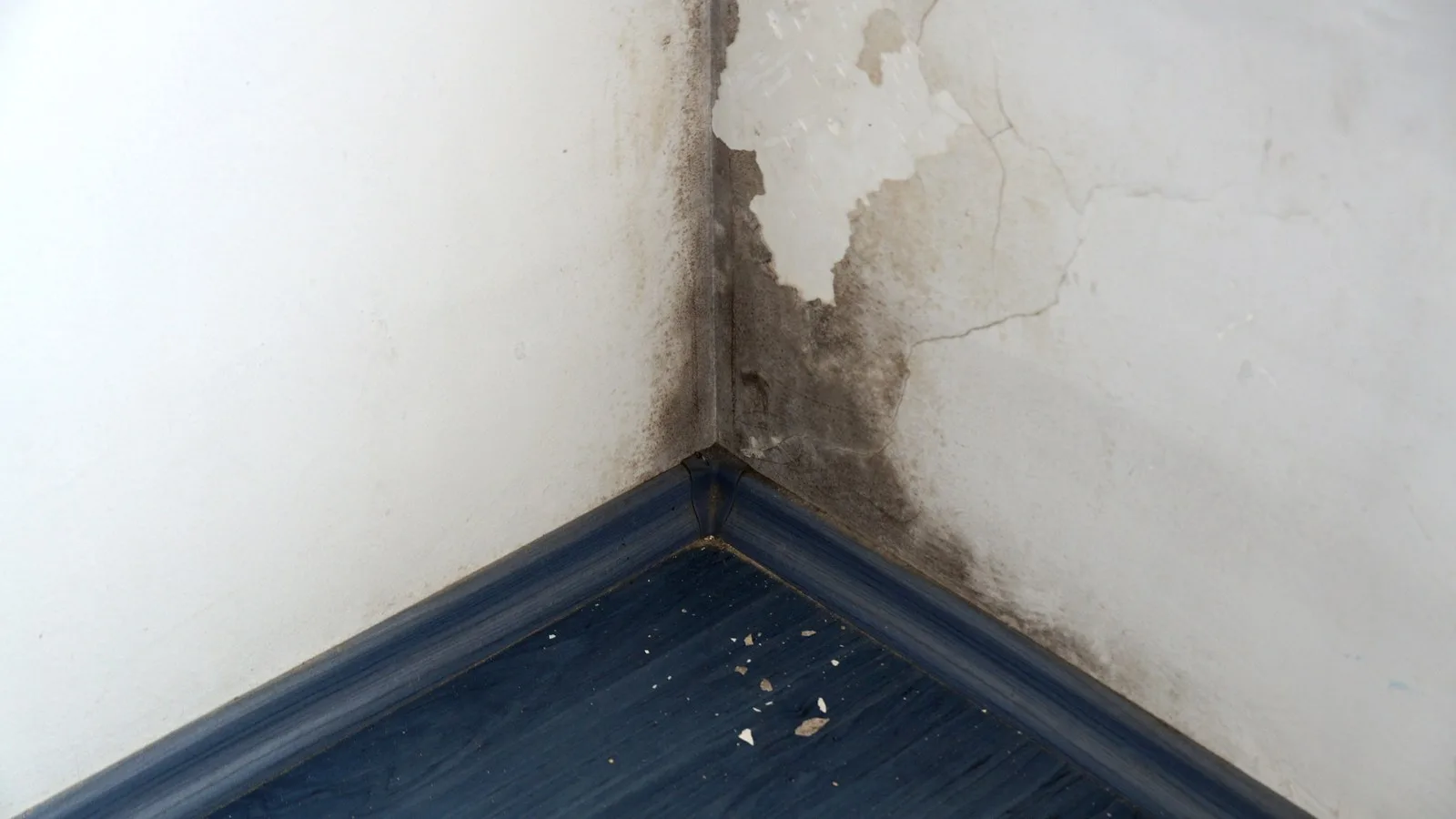
Any building put up before asbestos was banned can hide it in ceilings, boxing, floor tiles, flues and textured coatings. HSE's guidance on arranging an asbestos survey separates two types:
- Management survey: lets the dutyholder keep an asbestos register and plan for normal occupation.
- Refurbishment or demolition survey: must find asbestos-containing materials, including those hidden in the building fabric, before any structural work begins.
HSE states there is a legal requirement for all asbestos-containing materials to be removed, as far as reasonably practicable, before major refurbishment or demolition. The refurbishment survey is intrusive, the area has to be empty while it's done, and HSE strongly recommends a UKAS-accredited surveying organisation.
In practice: if your building has a management survey only, we'll ask for a refurbishment survey of the areas we're opening up before we price the intrusive work. If it finds material that has to come out, a specialist asbestos contractor removes it first. That sequence keeps a programme intact.
What we bring to a commercial or developer site
- SafeContractor approved, certificate OC4217, with SSIP recognition.
- TrustMark registered, licence 4264445, the Government Endorsed Quality scheme for work in and around the home. That matters on mixed-use and residential conversions.
- Federation of Master Builders and Structural Timber Association members.
- Our own crew plus vetted trades. Gas work by Gas Safe registered engineers, electrics by NICEIC-registered electricians.
- In-house groundworks, so ground and superstructure risk sits with one contractor. Our groundworks packages for developers piece sets out the scope lines.
- Commercial terms. Detailed, itemised quotes; the price only changes if you agree the change first. We invoice against valuations of work carried out.
- Site hours 8am to 5pm, Monday to Friday, unless your site sets different hours.
See our commercial projects service, the commercial overview, developer services and new build packages. For programme lengths, read how long it takes to build a house.
How to check a contractor in ten minutes
- SSIP Portal. Search the company name. Check the scheme, the certificate status and the expiry date.
- Companies House. Confirm the legal name and number match the quote. Ours is Wilson & Cole Developments Ltd, 13362420.
- Insurance certificates. Check the insured name matches the company, and check both expiry dates.
- A sample RAMS. Ask for one from a similar task. A generic template is a warning sign.
- Named supervisor. Ask who will run the site day to day, and what training they hold.
- Trade bodies. TrustMark's register and the FMB's member search take a minute each.
All our accreditations and certificate numbers sit on one page: guarantee and accreditations.
Frequently asked questions
What does SafeContractor approved mean?
It means the contractor has been assessed against the SSIP core criteria for health and safety and holds a current SafeContractor certificate. Ours is OC4217. It covers the first stage of pre-qualification; you still need project-specific RAMS and a construction phase plan.
Is SafeContractor the same as SSIP?
No. SSIP is the umbrella body; SafeContractor is one of its member schemes. Under SSIP's Deem to Satisfy agreement, member schemes accept each other's current, valid approvals, provided they show correctly on the SSIP Portal.
Does a small commercial refurbishment need a construction phase plan?
Yes. HSE says the only contractor or the principal contractor must draw one up before construction starts, proportionate to the size of the work. For a small refurbishment, a short, specific plan is usually enough.
Who arranges the asbestos survey before refurbishment work?
The client or building dutyholder normally commissions it from a competent surveyor, ideally UKAS-accredited. We ask for the refurbishment or demolition survey before intrusive work and price around its findings.
Can you send insurance certificates and RAMS at tender stage?
Yes. We send current public and employers' liability certificates on request, and RAMS written for your tasks, either with the tender or before mobilisation.
Send us the spec or the property list. We'll price it, with the document pack alongside: start here.