
Three dates frame this decision. Installing insulation in a home is zero-rated for VAT until 31 March 2027, then 5%. Private rented homes are due to reach EPC C by 1 October 2030. And an EPC C on the current rating, lodged before 1 October 2029, counts until it expires. For a Victorian rental in Bristol, solid wall insulation is usually the biggest fabric job on the list, and the one that needs the most planning. Here are the numbers, the two methods and the risks.
Why the walls come first in a Victorian rental
Houses built before about 1920 usually have solid walls: no cavity to fill. The Energy Saving Trust's solid wall insulation guide puts around 33% of the heat lost from an uninsulated home through the walls. A new boiler makes heat more efficiently. Insulation stops it leaving.
The policy context, from the government's January 2026 response on privately rented homes:
| Point | Detail |
|---|---|
| Standard | EPC C, or equivalent on reformed EPCs |
| Deadline | 1 October 2030, all tenancies |
| Cost cap | £10,000 per property |
| Spend that counts | Relevant measures installed from 1 October 2025 |
| Early compliance | EPC C on the current rating before 1 October 2029 counts until it expires |
| Status | Confirmed direction; new powers and regulations still to follow |
This is policy direction, not yet law. Planning around it now still makes sense, because the least disruptive time to insulate is when the property is empty.
Internal wall insulation: pros, cons, cost
Internal wall insulation (IWI) goes on the inside face of the external walls: rigid boards, a stud wall filled with insulation, or an insulating plaster. EST puts the typical cost at around £12,000 for a three-bedroom semi.
For it: no change to the outside, so no planning issue on the front; it can be done room by room.
Against it:
- rooms lose some floor area
- skirting, door linings, sockets, radiators and fitted units come off and go back
- rooms are out of use during the work, and everything is redecorated
- heavy fixings need special plugs
That makes IWI a void-period job.
Part L applies. Renovate more than half of a wall's area and the whole wall has to be brought up to standard, where that's technically and economically feasible. Approved Document L sets an improved U-value of 0.30 W/m²K for walls insulated internally or externally. There's flexibility: a lesser standard may be appropriate if meeting it would reduce a room's floor area by more than 5%, or if it wouldn't pay back within 15 years.
External wall insulation: pros, cons, planning
External wall insulation (EWI) is fixed to the outside and finished in render, brick slips or cladding. EST puts the typical cost at around £15,000 for a three-bedroom semi.
For it: no loss of floor area; tenants can usually stay in; the walls get a new weatherproof skin.
Against it:
- full scaffolding
- roof eaves often need extending; downpipes, meter boxes and services need moving
- window reveals and sills need detailing
- planning
Planning is the big question on a Bristol terrace. The government's permitted development technical guidance says cladding any part of a house in a conservation area needs planning permission. Outside conservation areas, materials must look similar to the existing house to stay permitted. A rendered finish over a red-brick Victorian front fails that test, so a planning application is needed.
One mix worth pricing: EWI on the rear and side elevations, IWI on the front rooms. Check whether the street is in a conservation area before you price anything.
Moisture: the risk you have to design out
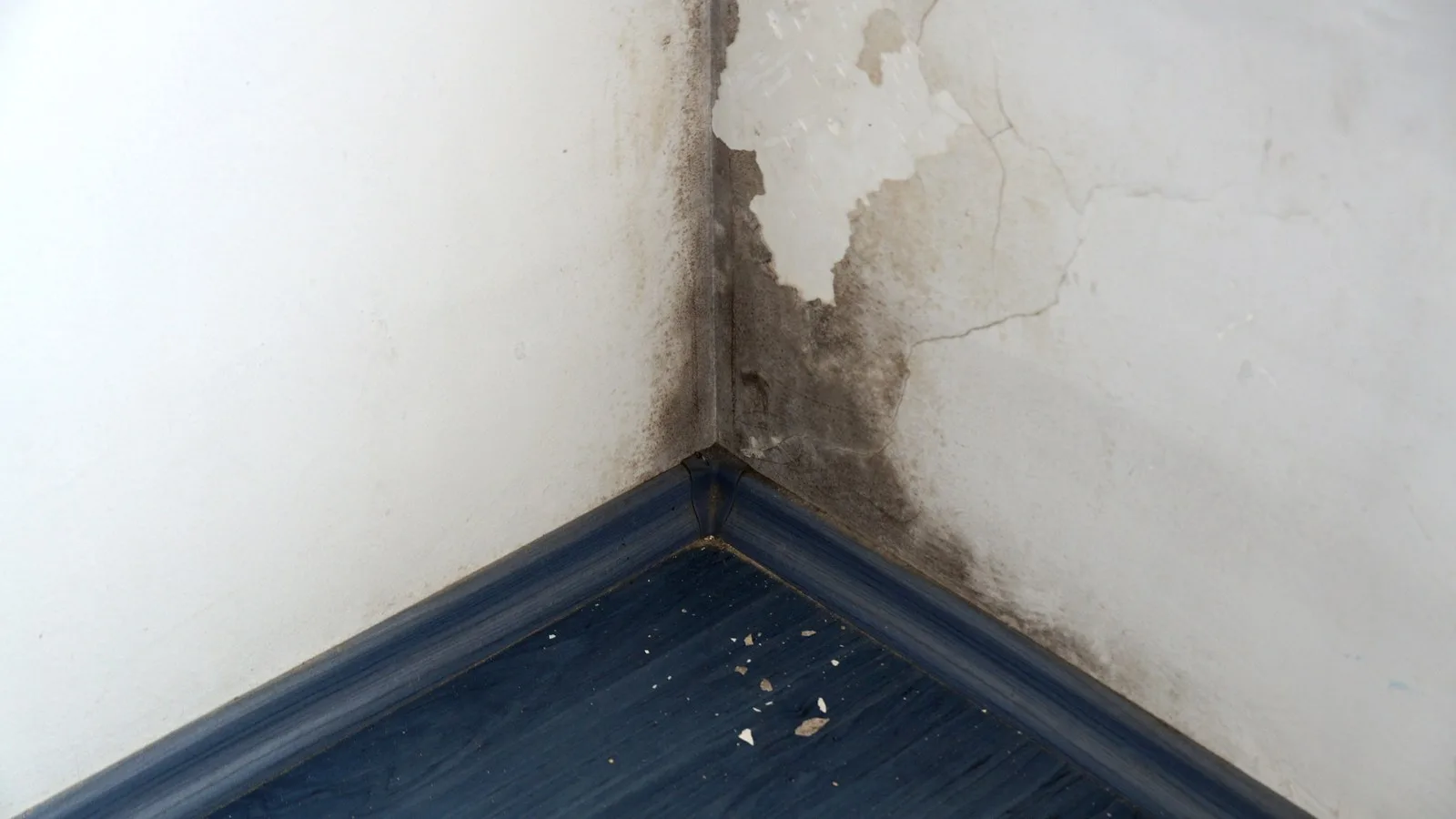
Solid walls handle moisture by letting it pass through. Insulation changes that. EST is clear that internal insulation makes the masonry colder, so moisture can build up inside the wall. Its advice: permeable materials suited to solid walls, damp problems fixed first, and a ventilation assessment, because insulating can reduce airflow.
The consequences of getting it wrong are on record. EST notes that the National Audit Office reported on failures in wall insulation installed under government schemes, and that 98% of homes fitted with EWI under ECO4 and the Great British Insulation Scheme have problems needing repair.
So before insulation goes up:
- Repair pointing, brickwork, gutters and downpipes.
- Fix any existing damp and its cause.
- Design the junctions: window reveals, floor joist ends, the eaves and ground level.
- Plan ventilation, usually extract fans and trickle vents.
For a landlord this matters twice: damp and mould in a let property is a hazard the council can act on, covered in our piece on damp and mould in rented homes.
Grant-funded work adds a formal process. Under the Warm Homes: Local Grant guidance, upgrades must follow PAS 2035:2023 through accredited installers. Where tenants meet the low-income criteria and the property is EPC D to G, one property per landlord can be fully funded, with a 50% landlord contribution from the second. The government response says third-party funding of this kind counts towards the £10,000 cap.
Timing: the VAT change on 1 April 2027 and void periods
HMRC's VAT Notice 708/6 zero-rates installing insulation for walls in residential accommodation until 31 March 2027. From 1 April 2027 it reverts to 5%. The Budget on 28 October 2026 confirmed the change goes ahead as planned.
Two caveats. The relief applies to the installation. HMRC's own example says insulation built into a wider standard-rated job, such as an extension, takes the standard rate. How your works are treated depends on how they're scoped and supplied, so ask your accountant. The same Budget raises property income tax rates from 6 April 2027, covered in our Budget 2026 piece for landlords.
On a sensible programme, a property surveyed in November or December can be insulated in a January to March void. Our April 2027 landlord deadlines article sets out the wider calendar.
Where this fits in an EPC C plan
Walls are rarely the first measure. A typical order on a Victorian terrace:
- Repairs: roof, gutters, pointing, damp.
- Loft insulation and draught-proofing.
- Walls: internal, external or a mix.
- Suspended timber floor insulation.
- Windows and doors, through our partner Associated Windows.
- Ventilation.
- Heating and controls.
Our EPC upgrade costs for a Victorian rental shows how measures stack up against the £10,000 cap. We run this as main contractor through our energy audit and retrofit service: report, works, then certification. Grant-funded measures go through accredited installers. We're SafeContractor approved (certificate OC4217) and TrustMark registered (licence 4264445). Start with our EPC readiness checklist or the energy hub.
Frequently asked questions
Is internal or external wall insulation better for a rental property?
It depends on occupancy and planning. Internal insulation suits empty properties and front elevations where planning is a problem. External insulation keeps floor area and lets tenants stay, but needs scaffolding and often planning permission. Many terraces suit a mix.
How much does solid wall insulation cost?
The Energy Saving Trust puts typical costs for a three-bedroom semi at around £12,000 for internal and £15,000 for external insulation. Repairs, eaves extensions, moving services and redecoration all affect the final figure.
Do I need planning permission for external wall insulation?
In a conservation area, yes. Elsewhere it can be permitted development if the finish looks similar to the existing house. Rendering over a brick front usually fails that test, so expect an application.
Can solid wall insulation cause damp?
Badly designed or installed, yes. Internal insulation makes the wall colder, so moisture can build up inside it. Permeable materials, repairs first, careful junction detailing and proper ventilation design that risk out.
Is solid wall insulation zero-rated for VAT?
Installing insulation in residential property is zero-rated until 31 March 2027, then 5% from 1 April 2027. Insulation within a wider standard-rated job may be treated differently, so check with your accountant.
Does solid wall insulation count towards the £10,000 MEES cap?
Under the government's January 2026 response, relevant measures installed from 1 October 2025 count towards the cap, including third-party funding except the Boiler Upgrade Scheme. The rules still need legislation.
Send us the spec or the property list. We'll price it: start here.