On 31 March 2027 the 0% VAT rate on installing insulation in your rental properties ends. Six days later, rental profits get their own income tax rates, two points higher than today. Then the South West's window to register every let property opens. These are the landlord changes 2027 brings that are already law or already published, and each one affects when you should book works.
The Autumn Budget is on Wednesday 28 October. We are not going to guess what is in it. Everything below was confirmed before it.
Landlord changes 2027: four dates on one page
| Date | What changes | Status |
|---|---|---|
| 31 March 2027 | 0% VAT on installing qualifying energy-saving materials ends (5% from 1 April) | In force, VAT Notice 708/6 |
| 31 March 2027 | £9,000 Boiler Upgrade Scheme grant for off-gas-grid heat pumps ends | Ofgem scheme rules |
| 6 April 2027 | Property income tax rates of 22%, 42% and 47% | Finance Act 2026 |
| 15 August to 14 November 2027 | South West registration window for the rental property register | Government timetable |
Behind those sit the 2029 and 2030 energy dates, covered below.
31 March 2027: the 0% VAT window on energy-saving installs
Under VAT Notice 708/6, installing qualifying energy-saving materials in residential accommodation is zero-rated until 31 March 2027. From 1 April 2027 it reverts to 5%. Qualifying measures include insulation, draught stripping, heating and hot water controls, heat pumps and solar panels. Materials bought supply-only are standard-rated, and other building work on the same project is usually standard-rated too.
The arithmetic is simple. On a £12,000 insulation package, 5% VAT is £600 per property. Across a portfolio of six, that is £3,600 for the same work done a few weeks later. Ask us whether your project qualifies before we price it, and ask your accountant how the date applies to work that runs either side of it.
6 April 2027: what changes on rental income, and why your accountant matters
The Finance Act 2026 sets separate property rates for the 2027 to 2028 tax year: 22% basic, 42% higher and 47% additional. The government's summary of the change confirms finance cost relief will be given at 22%. Scotland and Wales can set their own property rates; Bristol landlords are on the England rates. In plain numbers, every £10,000 of rental profit taxed at the higher rate costs £200 more a year.
Repairs and improvements are treated differently. HMRC's Property Income Manual describes a repair as restoring an asset by replacing parts of it, such as roof tiles lost in a storm, which is normally deductible against rental profits. Work that improves a property significantly beyond its original condition is capital. Where a cost falls, and whether timing around 6 April matters for your portfolio, is a question for your accountant, not your builder. What we can do is itemise quotes so repair lines and improvement lines sit separately, which makes that conversation shorter.
The registration and compliance pipeline
The rental property register. The government's Register your rental property timetable opens the service on 15 December 2026, region by region. For the South West it applies from 15 August 2027, with a deadline of 14 November 2027. The fee is £65 per property per year. You upload the gas safety record, the electrical installation condition report and the EPC. Missing or expired certificates are easier to sort in spring than in a three-month window everyone else is also using.
Renters' Rights Act. Phase 1 has applied since 1 May 2026. Our refurbishment guide for the Renters' Rights Act covers planning works around tenants under the new rules.
Energy standards. The government's January 2026 response confirmed the policy direction:
- Private rented homes to reach EPC C, or the equivalent on reformed EPCs, by 1 October 2030.
- A cost cap of £10,000 per property, with spend from 1 October 2025 on measures your current EPC recommends counting towards it.
- A home rated C on the current scale before 1 October 2029 is treated as compliant until that EPC expires.
This is confirmed direction, not yet law. Reformed EPCs are now expected in the second half of 2027, which we cover in the new EPC delay piece. The practical point: insulation installed before 31 March 2027 is zero-rated and can count towards the cap later.
A works calendar for the next six months
| When | What to do |
|---|---|
| Late October to November | Pull the current EPC and its recommendations for every unit. Walk-round survey. We price each property. |
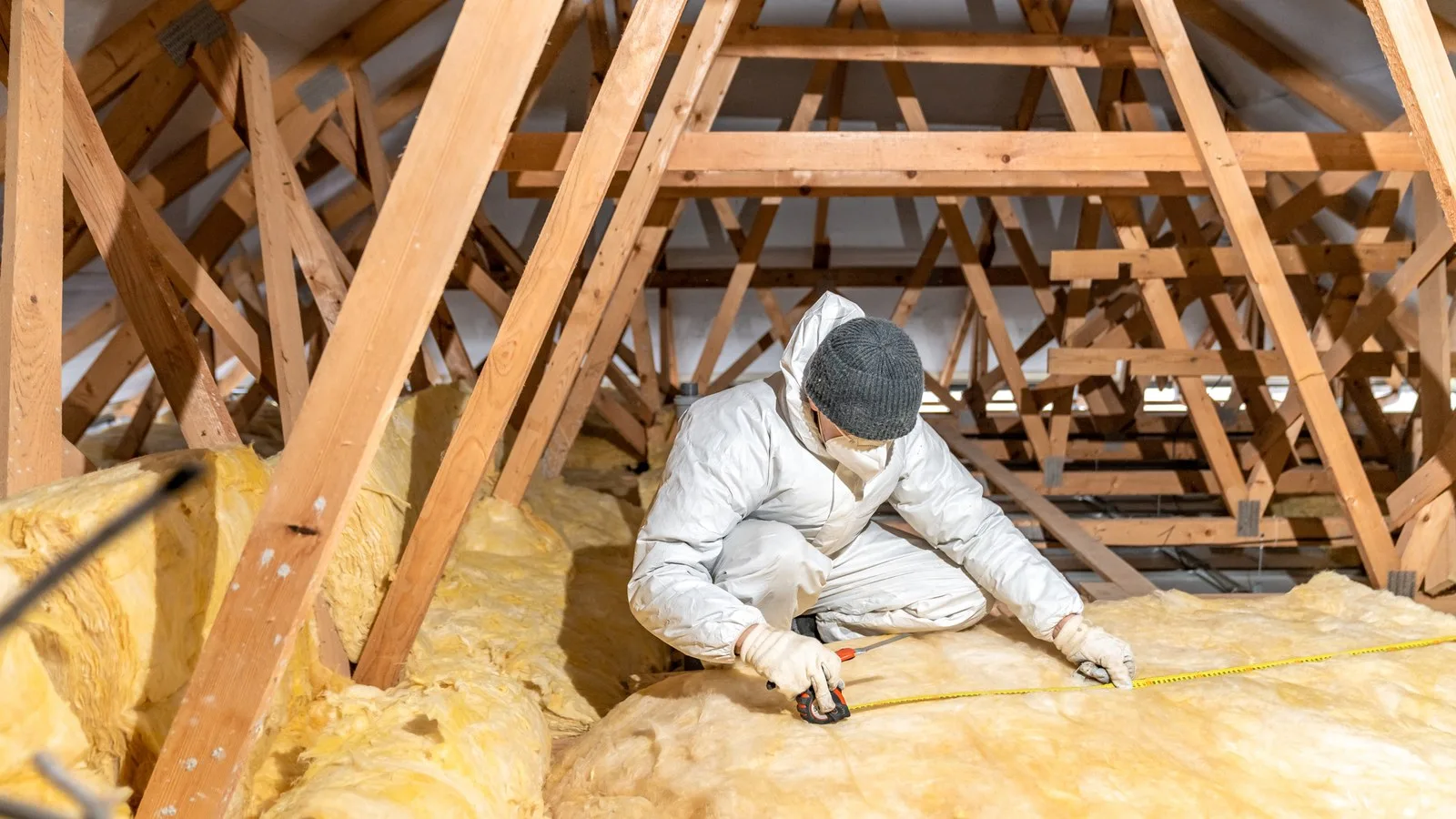
| November to February | Install fabric measures: loft top-ups take a day or two, underfloor insulation needs floorboards up, internal wall insulation goes room by room. Voids first, occupied units by arrangement. |
| By mid-March | Installs complete and invoiced before the VAT rate changes. Heat pumps through an MCS-certified installer, with the Boiler Upgrade Scheme grant (£7,500 for air-to-water, £9,000 off-gas-grid until 31 March). |
| April | New tax year. Agree repair and improvement splits with your accountant. |
| Spring to summer 2027 | Gas safety, EICR and EPC in date for every unit before the August register window. |
On retrofit work we act as main contractor. Grant-funded heat pumps and solar go in through accredited installers, and we co-ordinate them with the fabric work so you deal with one programme. Our energy audit and retrofit service sets out the staged route, and the EPC readiness checklist is a quick first pass per property. If you are turning units round between tenancies anyway, our refurb-to-let guide shows how to fold this in. There is more on our energy work and on developer and portfolio services.
We're SafeContractor approved (certificate OC4217), TrustMark registered (licence 4264445) and Federation of Master Builders members. Our earlier piece on EPC C by 2030 for Bristol landlords has typical measure costs.
Frequently asked questions
When does 0% VAT on insulation end?
On 31 March 2027. Until then, installing qualifying energy-saving materials such as insulation in residential accommodation, rented homes included, is zero-rated. From 1 April 2027 the rate is 5%. Materials bought without installation are standard-rated, and other building work is usually standard-rated too.
What are the property income tax rates from April 2027?
For the 2027 to 2028 tax year, rental profits in England are taxed at 22% (basic), 42% (higher) and 47% (additional), set by the Finance Act 2026. Finance cost relief is given at 22%. Scotland and Wales can set their own property rates.
When do Bristol landlords need to join the rental property register?
The South West window runs from 15 August 2027 to a deadline of 14 November 2027, though the service opens on 15 December 2026 and you can register early. It costs £65 per property per year, and you upload gas, electrical and EPC certificates.
Is EPC C by 2030 now law?
Not yet. It is confirmed policy direction from the government's January 2026 response: EPC C or equivalent by 1 October 2030, a £10,000 cost cap per property, and spend from 1 October 2025 counting towards it. Legislation is still to follow.
Can I claim energy-saving works against rental income?
It depends on whether HMRC sees the work as a repair or an improvement. A repair restores the property and is normally deductible; a significant improvement is capital. Ask your accountant. We can itemise our quote so the two sit on separate lines.
Send us the spec or the property list. We'll price it unit by unit. Start here.